When to plant tomatoes after your last frost date
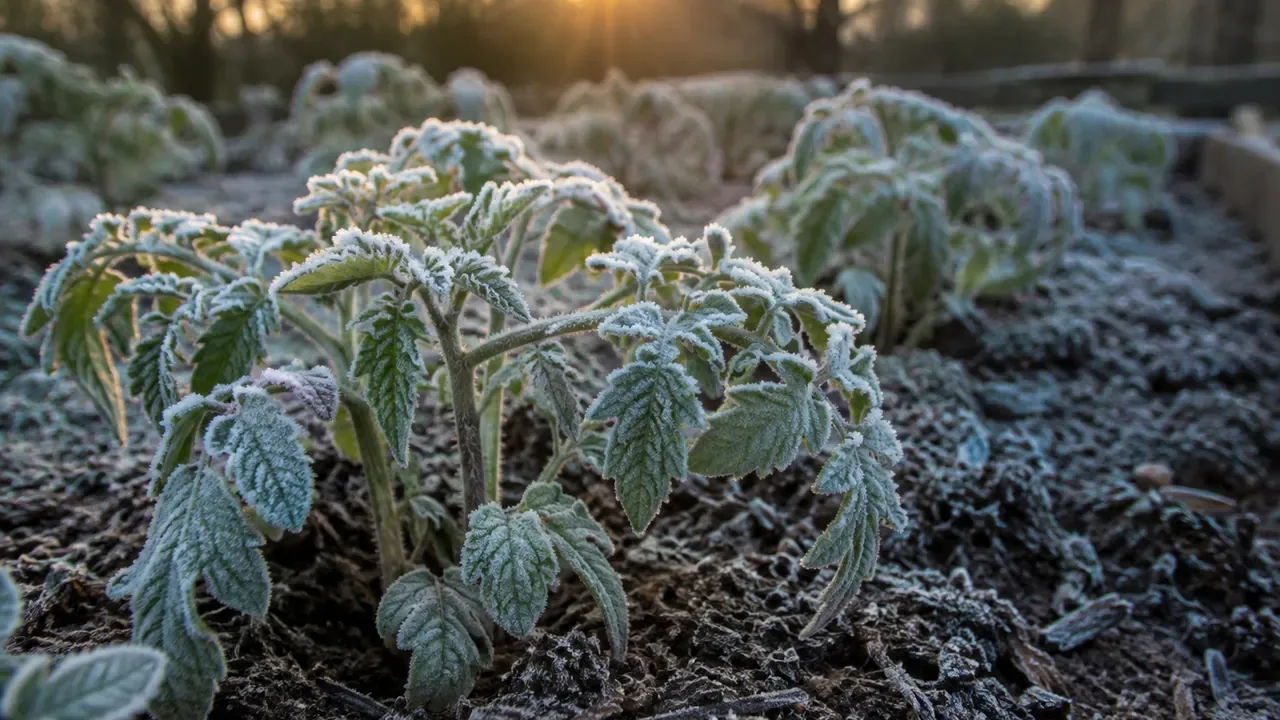
Tomato transplants go out after frost danger has passed, not on the NOAA median last frost date itself. Extensions describe that wait as "after frost danger," and the calendars this site has transcribed put tomatoes about 1 to 2 weeks (New Hampshire) or 2 or more weeks (Colorado) after the average last spring frost.
Frost dates on Which Frost are 1991 to 2020 NOAA medians, not a forecast for this year. A cold spring can still freeze after the 50 percent date. This is not agricultural advice.
What extensions say about tomato timing
UF/IFAS Gardening Solutions: Tomatoes (checked 19 Nov 2026) says tomatoes are a warm weather crop and tells gardeners to wait until the danger of frost has passed before putting plants in the ground.
UC ANR Publication 8159, Growing Tomatoes in the Home Garden (checked 19 Nov 2026) says to sow seed indoors 6 to 8 weeks before the last spring frost date for your area, harden plants off for a week to 10 days, and transplant after the danger of frost has passed.
Texas A&M AgriLife, Tomatoes Path to the Plate (HORT-PU-163, original publish date September 2023; checked 19 Nov 2026) says to set out spring tomato plants after the danger of frost has passed or be prepared to cover them, and for fall crops to plant about 100 days before the first expected frost.
On this site, the only tomato day counts we print are from calendars we transcribed. CSU Extension GardenNotes #720 (reviewed September 2024) lists tomato with very tender crops, typically 2 or more weeks after the average last spring frost. The UNH Extension vegetable timing fact sheet (retrieved 16 Nov 2026) says tomato transplants are safe 1 to 2 weeks after the last frost, with seed started 6 to 8 weeks before transplanting. Those counted windows appear on Colorado and New Hampshire city pages.
Related pages
Which Frost site mark. Image policy
Longest and shortest growing seasonHow long the frost free stretch runs in each city.Which Frost site mark. Image policy
USDA zones hubWinter hardiness bands, not sowing dates.Which Frost site mark. Image policy
Denver frost datesA short season city with a CSU tomato offset.Which Frost site mark. Image policy
Manchester frost datesUNH tomato transplant window on the city page.
Example cities on this site
Each frost date below is the NOAA 50 percent last spring freeze at 32°F from the same cache every city page uses (retrieved 16 Nov 2026). The notes column only shows a counted tomato window where this site already transcribed that state's extension chart.
| City | Zone | Last spring 32°F | Tomato note on this site |
|---|---|---|---|
| Austin, Texas | 9a | February 20 | Use your state extension after this frost date; no tomato calendar transcribed here |
| Denver, Colorado | 6a | May 4 | CSU very tender window starts about May 18 (14 days after the NOAA median) |
| Atlanta, Georgia | 8a | March 24 | Use your state extension after this frost date; no tomato calendar transcribed here |
| Manchester, New Hampshire | 6a | April 30 | UNH transplant window about May 7 to May 14 |
| Jacksonville, Florida | 9b | February 1 | Use your state extension after this frost date; no tomato calendar transcribed here |
| Fargo, North Dakota | 4a | May 4 | Use your state extension after this frost date; no tomato calendar transcribed here |
Open any city above for the 10 percent spring date (the more cautious marker) and the full freeze table. For states without a transcribed calendar, use the frost date as the lookup, then read that state's extension rather than inventing a national tomato calendar here.
How to use a frost date for tomatoes
- Find your city on Which Frost and read the median last spring 32°F date.
- Check the 10 percent spring date on the same page. Planting on the 50 percent date still leaves a later freeze possible in the normals record.
- If your state has a transcribed calendar on this site (Colorado, Georgia month list, or New Hampshire), use that page's tomato or warm season row. Otherwise follow your state extension's tomato guide, which will usually say to wait until frost danger has passed.
- Watch a short range forecast the week you transplant. Extensions that mention covering plants are describing frost protection, not a different frost date.
Related pages
Which Frost site mark. Image policy
Frost dates by stateEvery state hub on this site.Which Frost site mark. Image policy
Austin frost datesAn early median spring freeze in Texas.Which Frost site mark. Image policy
Sources and methodsHow NOAA stations and calendars are chosen.Which Frost site mark. Image policy
No computed 32°F frost dateWarm stations where NOAA left the date blank.
Frequently asked questions
When should I plant tomatoes after the last frost?
University extensions treat tomatoes as a warm season crop. UF/IFAS says to wait until the danger of frost has passed. UC ANR Publication 8159 says to sow seed indoors 6 to 8 weeks before the last spring frost date and to transplant after frost danger has passed. Texas A&M AgriLife Path to the Plate says to set out spring transplants after the danger of frost has passed, or be ready to cover them. On this site, Colorado's transcribed CSU guide places tomato in a very tender group typically 2 or more weeks after the average last spring frost, and New Hampshire's transcribed UNH chart says transplants are safe 1 to 2 weeks after the last frost.
Is the NOAA 50 percent frost date safe enough for tomatoes?
No. The 50 percent date is a median for 1991 to 2020, not a promise that the last freeze is over. City pages also show the 10 percent spring date, which is later. Extensions that say wait until frost danger has passed are pointing at that caution, not at planting on the median day itself.
Where do I look up my frost date on Which Frost?
Open a city page from the home search or a state hub. The headline date is NOAA's 50 percent last spring freeze at 32°F at the nearest station with a frost product. Frost dates are medians, not guarantees.
Sources
- NOAA NCEI U.S. Climate Normals 1991 to 2020
- UF/IFAS Gardening Solutions: Tomatoes (checked 19 Nov 2026)
- UC ANR Publication 8159, Growing Tomatoes in the Home Garden (checked 19 Nov 2026)
- Texas A&M AgriLife, Tomatoes Path to the Plate (HORT-PU-163) (checked 19 Nov 2026)
- CSU Extension GardenNotes #720 (reviewed September 2024)
- UNH Extension, Growing Vegetables: When to Plant Your Vegetable Garden (retrieved 16 Nov 2026)
Last verified 19 Nov 2026. Normals retrieved 16 Nov 2026.